Lancaster’s prestigious university and historic castle create year-round catering demand for academic conferences, graduation events, and heritage tourism. Local caterers benefit from student population and growing food scene celebrating Lancashire’s agricultural heritage.
Caterers Available
Average Rating
Price Range

Guest range: 30 – 500
Hygiene score: 5/5
Guest range: 20 – 200
Hygiene score: /5
Guest range: 20 – 200
Hygiene score: /5
Guest range: –
Hygiene score: /5
Guest range: 10 – 100
Hygiene score: /5
Guest range: 1 – 200
Hygiene score: /5
Guest range: 10 – 100
Hygiene score: /5
Guest range: 10 – 100
Hygiene score: /5
• University graduations
• academic conferences
• heritage venue weddings
• countryside celebrations
• British classics
• international buffets
• barbecue
• countryside fare
• Lancaster House Hotel
• Ashton Memorial
• Lancaster University
• King’s Arms Hotel
• Storey Institute
Lancaster’s event calendar follows the distinctive rhythm of university life, creating predictable seasonal patterns driven by the academic year. Peak demand occurs during term time, with particularly busy periods from September to December and January to June when corporate catering and conference services experience highest activity levels. Graduation periods generate intensive short-term demand that requires careful advance planning and resource allocation.
Spring and summer capitalize on Lancaster’s natural advantages with the popular Lancaster Music Festival and numerous outdoor events that showcase the beautiful River Lune setting and surrounding countryside. The university’s purpose-built campus at Bailrigg, located 4km south of the historic city center, maintains year-round catering demand across both campus facilities and medieval city venues.
Winter events benefit from Lancaster’s cozy medieval atmosphere, with traditional pubs and historic venues providing intimate settings for seasonal celebrations. The city’s proximity to the Lake District attracts outdoor activity groups throughout the year, creating consistent demand for hearty, substantial catering that fuels adventure-seeking visitors.
 Logistics & Transportations
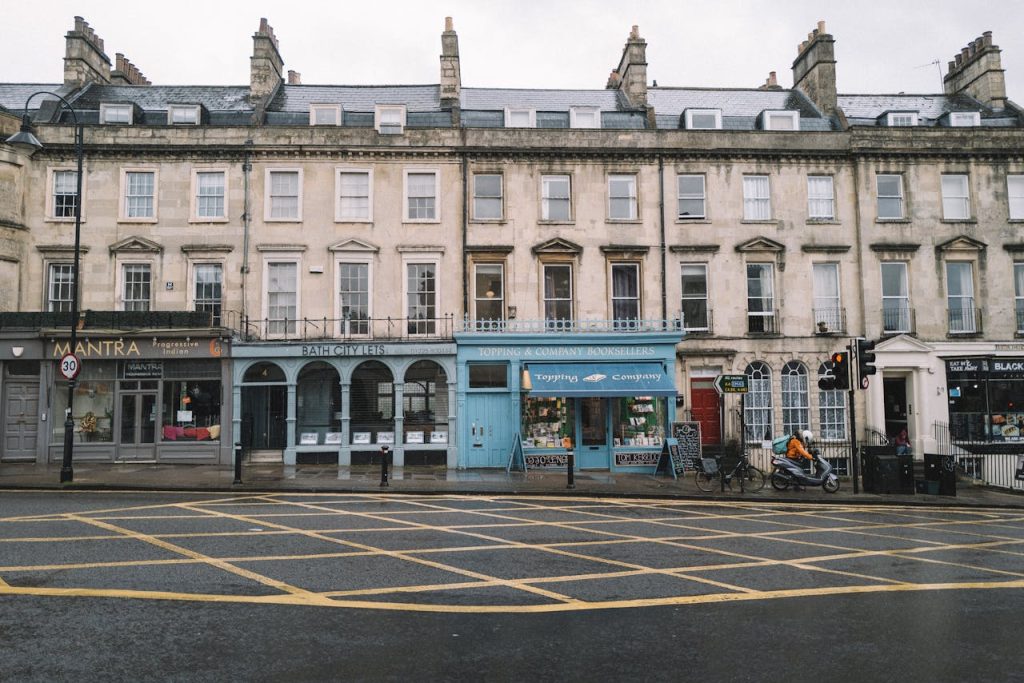
Lancaster’s compact historic city center presents characteristic delivery challenges through narrow medieval streets with severely limited parking options, particularly around the prestigious castle and cathedral areas. The university campus at Bailrigg maintains excellent connectivity but operates separately from the city center, requiring dual-location planning when serving mixed university and public events.
The M6 motorway provides superior access from major cities across the region, though local traffic experiences significant congestion during university events and peak tourist seasons. The West Coast Main Line railway station delivers numerous conference delegates and event attendees directly to the city, making station-adjacent venues particularly desirable for business events. River Lune venues offer spectacular natural settings but may require specialized access arrangements for larger catering deliveries and equipment transport.
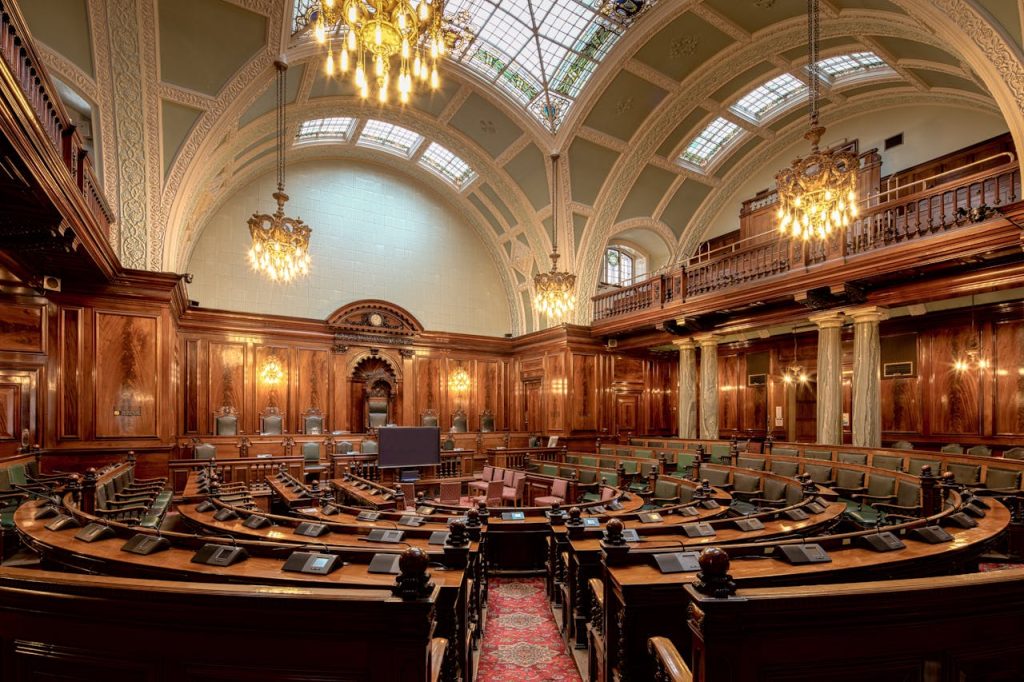
Lancaster City Council oversees permitting for historic city center events, maintaining particular vigilance over heritage conservation areas surrounding the castle and Priory Church. University catering operates under institutional protocols that external caterers must coordinate carefully, though campus delivery access remains flexible for various event types from academic conferences to corporate away days.
The university has committed to a progressive transition toward plant-based catering, targeting 50% plant-based offerings by 2025 and complete transition by 2027. This reflects growing institutional commitment to sustainable and ethical catering practices that influence both campus and city-wide event planning. The dual city-university environment requires comprehensive understanding of both public licensing requirements and academic institution protocols for successful operations.
Lancaster City Council oversees permitting for historic city center events, maintaining particular vigilance over heritage conservation areas surrounding the castle and Priory Church. University catering operates under institutional protocols that external caterers must coordinate carefully, though campus delivery access remains flexible for various event types from academic conferences to corporate away days.
The university has committed to a progressive transition toward plant-based catering, targeting 50% plant-based offerings by 2025 and complete transition by 2027. This reflects growing institutional commitment to sustainable and ethical catering practices that influence both campus and city-wide event planning. The dual city-university environment requires comprehensive understanding of both public licensing requirements and academic institution protocols for successful operations.