London, the UK’s vibrant capital, offers world-class catering across its diverse boroughs. From historic venues in Westminster to trendy East London spaces, the city provides exceptional culinary experiences with unparalleled venue variety and international cuisine options for every event type.
Caterers Available
Average Rating
Price Range

Guest range: 30 – 5000
Hygiene score: 5/5
Guest range: 30 – 200
Hygiene score: 5/5
Guest range: 10 – 150
Hygiene score: 5/5
Guest range: 50 – 1000
Hygiene score: 5/5
Spring and summer months from March through August represent London’s peak event season, with mild temperatures ranging from 18°C to 23°C and extended daylight hours creating ideal conditions for outdoor celebrations. This period sees increased demand for events in the city’s numerous parks and garden venues, with caterers often featuring lighter, seasonal menus showcasing fresh local produce. However, even during the warmer months, occasional rain showers remain a constant possibility that requires careful planning.
Autumn and winter present different challenges, with cooler temperatures between 2°C and 15°C and more frequent rainfall driving preference toward indoor events. Venues offer cosy atmospheres during these months, while caterers shift their focus to heartier, warming menus that celebrate seasonal ingredients. The Christmas period from November through January proves exceptionally busy, requiring advance booking of six months or more for premium caterers and venues.
London’s unpredictable weather throughout the year means professional caterers must always maintain contingency plans for outdoor events, including provisions for covered serving areas and the flexibility to adjust menus based on weather conditions.
 Logistics & Transportations
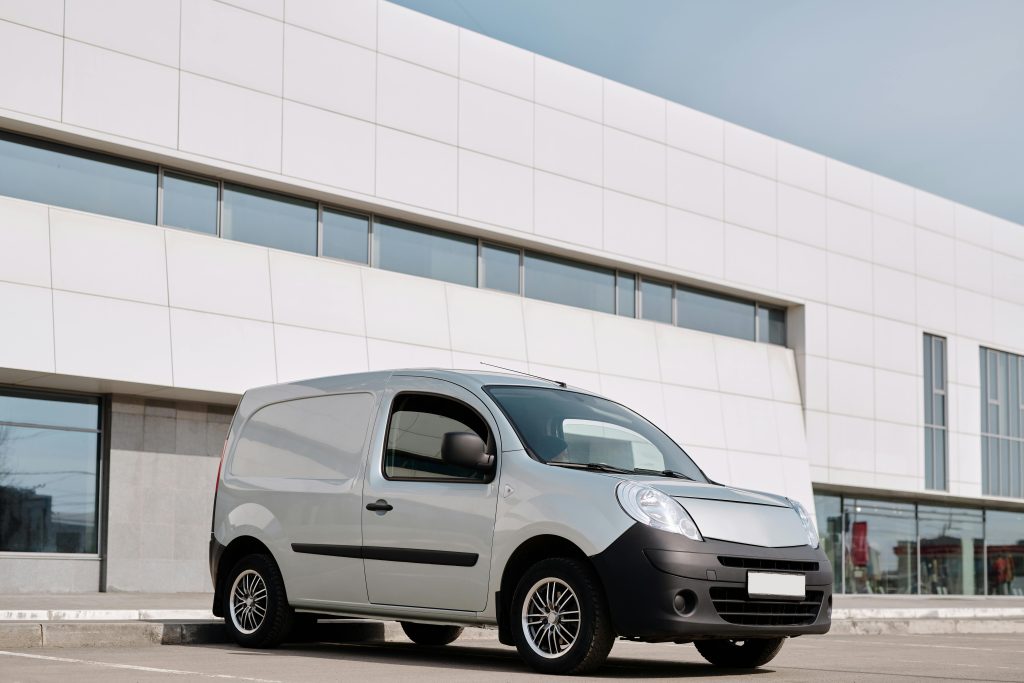
London’s extensive transport network facilitates catering deliveries throughout the capital, though significant traffic congestion can substantially impact delivery timing and scheduling. The city’s multiple ring roads, including the North and South Circular routes plus the M25 orbital motorway, provide essential access routes for catering companies. However, caterers must factor in the daily £15 congestion charge for Central London deliveries and plan around peak traffic hours between 7-9 AM and 5-7 PM when journey times can double.
Parking restrictions vary dramatically across London’s boroughs, with many areas requiring special permits or operating under strict time-limited loading bay systems. Professional caterers often need to obtain special permits for equipment deliveries to prestigious venues, particularly in the historic city centre. While London’s Underground network provides excellent passenger transport, it remains unsuitable for transporting catering equipment, making road transport essential for all deliveries.
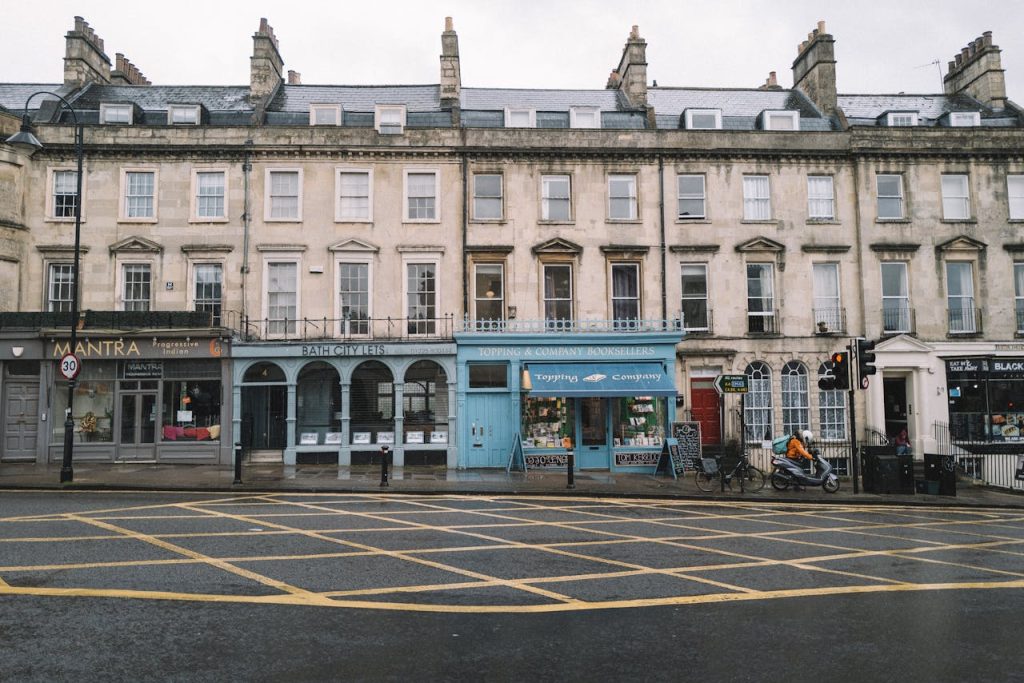
Loading access at venues presents varying challenges, ranging from excellent facilities at purpose-built conference centres to significant constraints at historic buildings located on narrow medieval streets. Many central London venues enforce strict delivery time windows to minimize disruption to their operations. The distance between catering kitchens and event venues can vary significantly across the capital, with South and East London often offering more cost-effective kitchen space while requiring longer travel times to reach premium Central London venues.
All London catering businesses must register with their respective local borough council at least 28 days before commencing trading operations, regardless of whether they operate from fixed premises, mobile units, or home-based kitchens. The Food Standards Agency mandates comprehensive food safety management systems based on Hazard Analysis and Critical Control Point principles, with regular environmental health inspections determining official food hygiene ratings on a scale from 0 to 5 stars.
Temperature control regulations require strict adherence to safety standards, mandating that hot foods remain above 63°C while chilled foods must stay below 8°C at all times. Separate handwashing facilities represent a legal requirement for all food operations, with antibacterial gel considered insufficient for regulatory compliance. Mobile caterers face additional requirements, needing Gas Safe certified engineers to conduct annual inspections of LPG equipment and issue safety certificates.
Alcohol licensing requirements vary depending on venue type and service arrangements, with appropriate permits essential for any bar services. Allergen labelling has become mandatory for all catered food offerings, requiring staff to receive proper training on the 14 major allergens and their management. Beginning in March 2025, businesses employing 10 or more staff must implement separate food waste collection for recycling purposes. Many prestigious venues maintain preferred caterer lists, while some historic or exclusive locations restrict outside catering entirely, requiring advance verification of catering permissions.
All London catering businesses must register with their respective local borough council at least 28 days before commencing trading operations, regardless of whether they operate from fixed premises, mobile units, or home-based kitchens. The Food Standards Agency mandates comprehensive food safety management systems based on Hazard Analysis and Critical Control Point principles, with regular environmental health inspections determining official food hygiene ratings on a scale from 0 to 5 stars.
Temperature control regulations require strict adherence to safety standards, mandating that hot foods remain above 63°C while chilled foods must stay below 8°C at all times. Separate handwashing facilities represent a legal requirement for all food operations, with antibacterial gel considered insufficient for regulatory compliance. Mobile caterers face additional requirements, needing Gas Safe certified engineers to conduct annual inspections of LPG equipment and issue safety certificates.
Alcohol licensing requirements vary depending on venue type and service arrangements, with appropriate permits essential for any bar services. Allergen labelling has become mandatory for all catered food offerings, requiring staff to receive proper training on the 14 major allergens and their management. Beginning in March 2025, businesses employing 10 or more staff must implement separate food waste collection for recycling purposes. Many prestigious venues maintain preferred caterer lists, while some historic or exclusive locations restrict outside catering entirely, requiring advance verification of catering permissions.