Lancashire’s administrative capital and vibrant university city, Preston combines modern amenities with historic architecture. Located at the heart of North West England with excellent transport links to Manchester, Liverpool, and the Lake District.
Caterers Available
Average Rating
Price Range

Guest range: 8 – 200
Hygiene score: /5
Guest range: –
Hygiene score: /5
Guest range: 6 – 60
Hygiene score: 5/5
Guest range: –
Hygiene score: 5/5
Guest range: –
Hygiene score: /5

Preston’s catering season peaks during spring and summer months from April through September, when the city’s parks and outdoor venues become popular for weddings and corporate events.
The presence of the University of Central Lancashire creates distinctive seasonal patterns, with graduation ceremonies in summer and fresher events in autumn generating significant catering demand.
Winter months see increased indoor corporate activity, with many businesses choosing Preston for conferences and training events due to its central location and accessibility.
The city’s proximity to the Lancashire countryside means harvest festivals and agricultural events provide additional opportunities during autumn months. Weather contingency planning remains essential throughout the year, with experienced caterers offering flexible solutions for the unpredictable North West climate. The industrial heritage of the area creates unique opportunities for themed corporate events throughout the year.
 Logistics & Transportations
Preston enjoys exceptional transport connectivity, sitting at the junction of major motorways including the M6, M61, and M65, making it easily accessible from Manchester, Liverpool, and throughout the North West region.
The West Coast Main Line provides direct rail connections to London, Scotland, and major cities, with Preston station serving as a crucial transport hub. Local suppliers benefit from Lancashire’s rich agricultural heritage, with fresh produce, dairy products, and traditional Lancashire specialties readily available from surrounding farms.
The city’s compact center means most venues are within a 15-minute drive of each other, though traffic congestion during peak hours requires careful timing for event deliveries.
Parking availability varies significantly between the city center and suburban venues, with many caterers coordinating closely with venues to ensure smooth operations. The proximity to major population centers means competition can be intense, but also provides access to a larger customer base for specialized events.

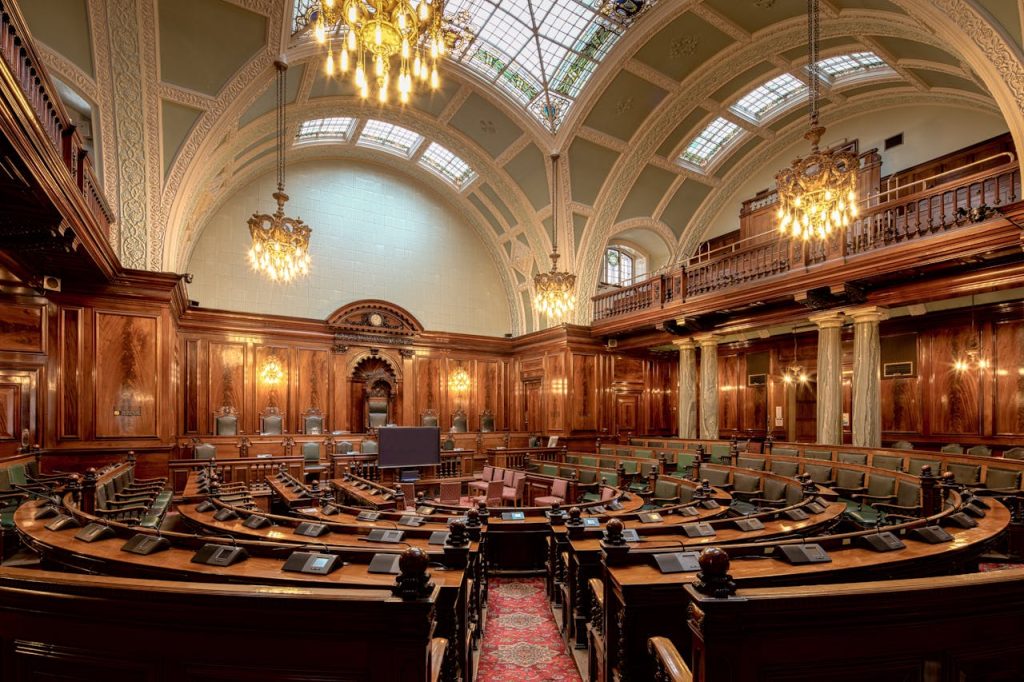
Preston City Council requires all commercial food businesses to register with environmental health services and maintain current food safety certifications. The city’s mix of historic buildings and modern venues means varying requirements for different locations, with older buildings often requiring specialized insurance and safety measures.
Alcohol licensing regulations are standard across the city, though some venues may have specific restrictions on serving times and capacity limits. Noise regulations are carefully monitored, particularly in residential areas, with outdoor events typically required to end by 11 PM on weekdays and 11:30 PM on weekends.
Environmental considerations are increasingly important, with the council encouraging sustainable catering practices and waste reduction initiatives. The university presence means additional considerations for student events, including specific health and safety requirements for large gatherings. Traffic management can be crucial for larger events, requiring coordination with local authorities for deliveries and guest access.
Preston City Council requires all commercial food businesses to register with environmental health services and maintain current food safety certifications. The city’s mix of historic buildings and modern venues means varying requirements for different locations, with older buildings often requiring specialized insurance and safety measures.
Alcohol licensing regulations are standard across the city, though some venues may have specific restrictions on serving times and capacity limits. Noise regulations are carefully monitored, particularly in residential areas, with outdoor events typically required to end by 11 PM on weekdays and 11:30 PM on weekends.
Environmental considerations are increasingly important, with the council encouraging sustainable catering practices and waste reduction initiatives. The university presence means additional considerations for student events, including specific health and safety requirements for large gatherings. Traffic management can be crucial for larger events, requiring coordination with local authorities for deliveries and guest access.