Strategic Cheshire town positioned between Manchester and Liverpool, offering excellent transport links and modern business facilities. Known for its new town development and proximity to major North West commercial centers.
Caterers Available
Average Rating
Price Range

Guest range: 30 – 5000
Hygiene score: 5/5
Guest range: 10 – 500
Hygiene score: /5
Guest range: 10 – 500
Hygiene score: 3/5
Guest range: –
Hygiene score: /5
Guest range: –
Hygiene score: 5/5
Warrington’s catering season follows typical North West patterns, with spring and summer months from April through September representing peak demand for weddings and outdoor corporate events.
The town’s modern infrastructure and indoor venues make it particularly attractive for autumn and winter corporate conferences and training events, with many businesses choosing Warrington for its central location and accessibility.
The proximity to Manchester and Liverpool means the town benefits from overspill demand during peak periods in these larger cities, creating additional opportunities for flexible caterers. Winter months see substantial corporate activity, with many multinational companies based in the area hosting year-end celebrations and training events.
The town’s planned layout includes numerous parks and green spaces that become popular for summer events, though the unpredictable North West weather requires careful contingency planning throughout the year.
 Logistics & Transportations
Warrington enjoys exceptional transport connectivity, positioned at the heart of the North West transport network with direct access to the M6, M62, and M56 motorways, making it easily accessible from across the region.
The town’s railway station provides frequent services to Manchester, Liverpool, and London, positioning it as an ideal location for events drawing attendees from multiple cities.
Local suppliers benefit from the town’s proximity to both urban centers and rural Cheshire, providing access to diverse ingredient sources from city markets to countryside farms. The modern town planning means most venues are easily accessible with good parking provision, unlike older city centers where access can be challenging.
The industrial heritage and continued business presence mean many caterers have developed expertise in corporate requirements, understanding the needs of both local businesses and international companies with regional offices in the area.
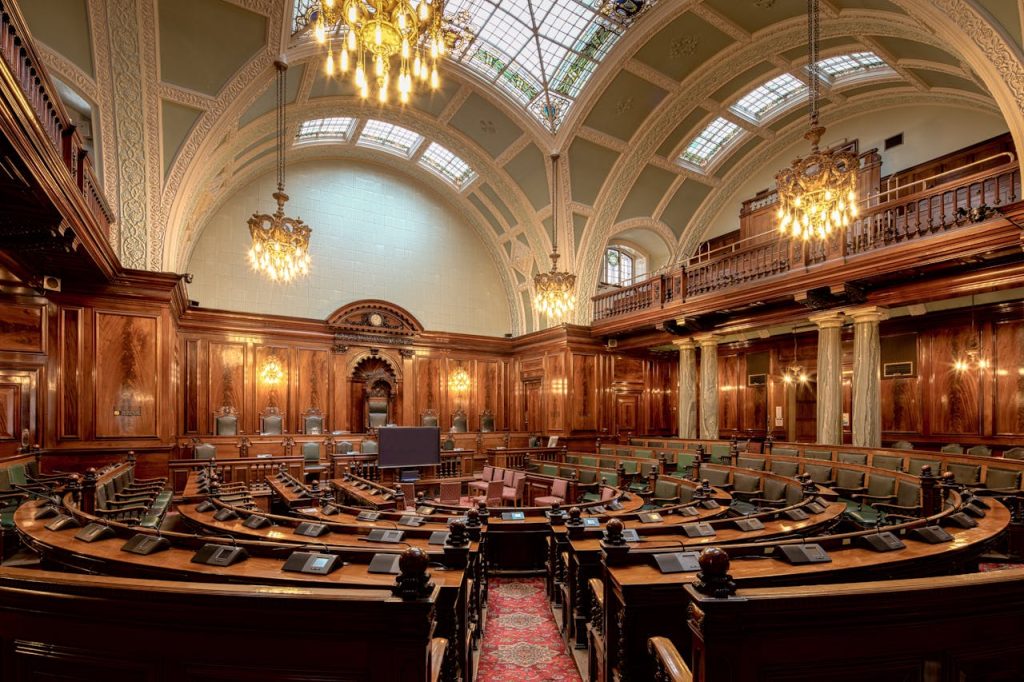
Warrington Borough Council requires all commercial food businesses to register with environmental health services and maintain current food safety certifications.
The town’s relatively modern infrastructure means venues typically have good facilities and fewer historic building restrictions compared to older cities. Alcohol licensing follows standard procedures, with most venues having straightforward licensing arrangements due to the town’s commercial focus. Noise regulations are monitored, particularly in residential areas, though the mixed-use nature of much of the town center provides more flexibility for events than purely residential areas.
Environmental considerations are increasingly important, with the council promoting sustainable practices and waste reduction initiatives, particularly for larger corporate events. The business-focused nature of many events means health and safety requirements often center around professional standards rather than complex historic venue considerations.
Warrington Borough Council requires all commercial food businesses to register with environmental health services and maintain current food safety certifications.
The town’s relatively modern infrastructure means venues typically have good facilities and fewer historic building restrictions compared to older cities. Alcohol licensing follows standard procedures, with most venues having straightforward licensing arrangements due to the town’s commercial focus. Noise regulations are monitored, particularly in residential areas, though the mixed-use nature of much of the town center provides more flexibility for events than purely residential areas.
Environmental considerations are increasingly important, with the council promoting sustainable practices and waste reduction initiatives, particularly for larger corporate events. The business-focused nature of many events means health and safety requirements often center around professional standards rather than complex historic venue considerations.